
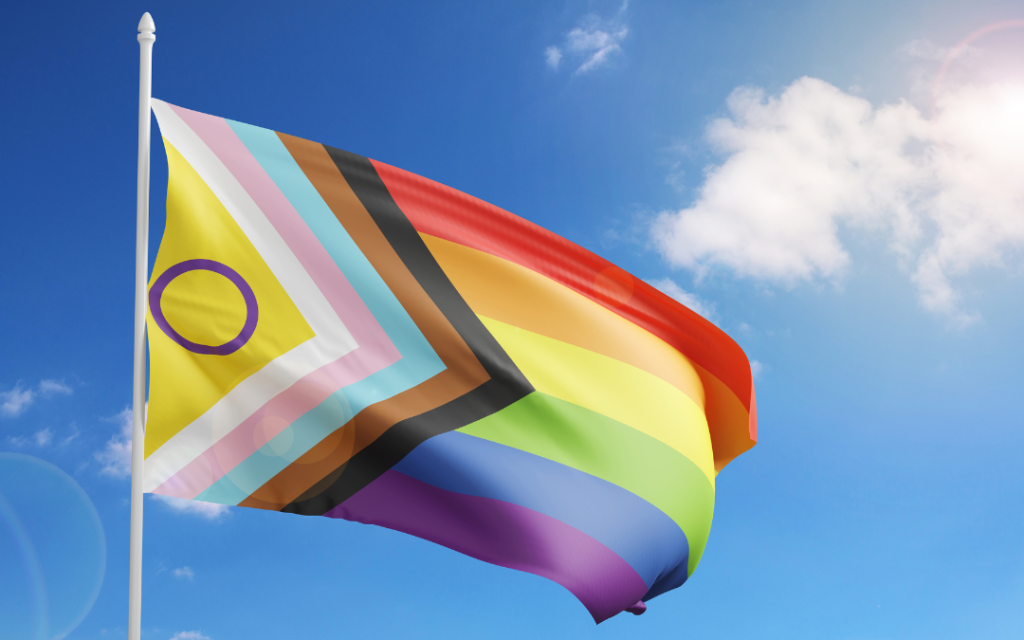
With Pride season in full swing in Canada, we wanted to touch upon the connection between 2SLGBTQIA+ history and dance.
Dance has always been more than just movement — it is a language of expression, resistance, and resilience. For Canada’s 2SLGBTQIA+ community, dance has long been a space where identity could be explored, celebrated, and made visible, even during times when society tried to silence or erase queer voices. Today, we celebrate the profound and ongoing impact that queer artists, choreographers, and communities have had — and continue to have — on the dance world.
A Legacy of Expression and Defiance
Historically, dance has offered a kind of freedom that many queer individuals could not find elsewhere. In the shadows of persecution, from underground ballrooms to basement clubs, dance became a lifeline — a place of chosen family, affirmation, and joy. Queer and trans dancers, often excluded from mainstream narratives, carved out their own spaces and styles, such as voguing, waacking, and other movement vocabularies rooted in queer Black and Latinx communities that have since influenced mainstream dance globally, including here in Canada.
Throughout the decades, Canadian queer dancers and choreographers have pushed boundaries and redefined norms in both contemporary and classical dance spaces. Artists like Danny Grossman, George Stamos, and Kéïta Fournier-Pelletier, among others, have contributed not just to dance but to a richer, more inclusive understanding of artistry and embodiment. These contributions often emerged not despite their identities, but through them — making the personal political and the movement revolutionary.
Changing Landscapes: Inclusion and Representation
While the connection between the queer community and dance has always existed, inclusion has evolved. The early years were marked by coded language and hidden lives. Queer dancers performed on stages that would not acknowledge their identities, and gender roles in dance — especially in ballet and ballroom — often reinforced rigid binaries.
But change came — slowly, then more quickly. The rise of queer-led dance companies, such as Toronto’s Kaeja d’Dance and Montréal’s Les Productions Fila 13, signaled a shift toward not only representation but leadership. Today, many dance organizations across Canada actively work to uplift 2SLGBTQIA+ voices, programming queer artists, offering gender-inclusive classes, and partnering with queer community organizations.
Dance education and training institutions have also begun re-evaluating outdated gender norms and creating safer, more affirming environments. The presence of openly queer and trans faculty, students, and leaders continues to shape a more equitable and expansive future for dance.
Queer Dance in Nova Scotia: Rooted, Resilient, Rising
Here in Nova Scotia, queer dancers and choreographers have long been shaping our cultural fabric — often quietly, sometimes boldly, and always with fierce creativity. Whether through solo work, community-based projects, or collaborations across disciplines, 2SLGBTQIA+ artists continue to bring vital perspectives to the province’s dance landscape.
In recent years, we’ve seen a rise in queer-led movement workshops, drag and dance fusion performances, and projects exploring gender, embodiment, and identity. Local artists and collectives are challenging norms and expanding possibilities for what dance can be — and for whom.
Projects built around queer movement and expression reflect a growing demand for space, visibility, and leadership. Artists are also making waves through festivals like OutFest Queer Theatre Festival, Prismatic Arts Festival, and other platforms that embrace interdisciplinary performance and uplift queer voices.
What’s more, Nova Scotia’s post-secondary dance programs and arts organizations are increasingly recognizing the need for inclusive practice — from rethinking gender in choreography to addressing barriers for trans and non-binary dancers. While there’s more to do, the progress is promising — and powered by a new generation of queer artists who are unapologetic in their presence and powerful in their artistry.
The Work Ahead
Despite progress, inclusion in dance is still a work in progress. Many queer artists — especially those who are Black, Indigenous, trans, disabled, or newcomers — continue to face systemic barriers. Equity is not simply about representation; it’s about access, safety, and opportunity.
Pride in Dance is about recognizing the achievements and artistry of 2SLGBTQIA+ communities, but also committing to the ongoing work of dismantling exclusionary systems. It’s about creating rehearsal halls, studios, and stages where queer dancers of all backgrounds can move freely, be seen fully, and be paid fairly.
Moving Forward, Together
Dance has always been queer — because it is embodied, it is emotional, and it transcends borders and binaries. As we celebrate Pride, we honour the generations of queer dancers who moved when the world told them to sit still, who leapt when others feared to speak.
At Dance Nova Scotia, we recognize the deep, enduring connection between our province’s dance community and its 2SLGBTQIA+ members. We see you. We dance with you. We commit to a future where all bodies and identities are not only welcome but celebrated.
Because Pride in Dance isn’t just about history. It’s about now — and where we move from here.